
"São Tomé and Príncipe"
145000 article(s) found

How would you like your Portuguese coffee? Coffee drink finishing in Portugal
The history of coffee drinking goes back to the 18th century, when there was a colony in Brazil that coffee was produced, and Portugal was once the largest coffee producer in the world. Except for Brazil, Portugal

African coffee| Sao Tome and Principe| Arabica beans
Professional coffee knowledge exchange More coffee bean information Please pay attention to coffee workshop (Weixin Official Accounts cafe_style) Qianjie boutique coffee recommendation| Polsa Pacama, Guatemala| Yega Shefi Sun-dried Red Cherry| Costa Rican Shumava Black Honey| Costa Rica Angel Estate Sao Tome and Principe is located in the Gulf of Guinea in Africa. Sao Tome Island is 255 km from the West Bank of Africa.
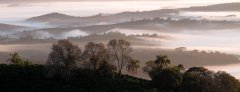
Brazil's most expensive coffee bean-2017 Brazilian COE champion 130USD / lb Arcaya variety Acaia
The exchange of professional baristas, please pay attention to the coffee workshop (Wechat official account cafe_style). Is the impression of Brazil still in the Brazilian blend of Italian coffee in the past? In 2017, the bidding price for the first place in Brazil's COE peeling and tanning group reached US $130 / lb, while the top five in the suntan group all scored more than 90 points, and the first place got 93.6 points! Brazil is no longer Wu.

Brazil Sitio Savoamptere227tero Jose San Jose Manor Story Information rare Coffee varieties
For more information on coffee beans, please follow the Coffee Workshop (official Wechat account cafe_style). This coffee comes from Brazil's most famous producing area, Mantiqueira de Minas, located in the south of the state of Minas Jerries Minas Gerais in the Mantiqueira Mountains of Brazil. Mantiqueira de Minas is a mountainous area with extremely complex and unique microclimate.

Brazil Mojiana-O'Coffee Company Information material bourbon variant Obata Coffee
Professional barista exchanges please follow the coffee workshop (Wechat official account cafe_style) European Coffee Company (OCoffee), one of the largest major boutique producers of Brazilian coffee, began its history in 1890 and was founded by Italian immigrant architect Giuseppe Quercia. Today it has grown into the largest major boutique producer of Brazilian coffee.

Brazil COE runner-up-South Minastia Sister Manor how does Brazilian coffee taste nutty?
Professional coffee knowledge exchange more coffee bean information please follow the coffee workshop (Wechat official account cafe_style) Brazilian coffee how to do: from a seed to a cup of coffee finished name: 2015 Brazil COE excellent Cup (tanning group) runner-up South Minascamo Town Tilia Sister Manor Sun (Brazil Carmo de Minas Fazenda Irmas Pereira Nat)

Flavor description of coffee beans in Brazilian manor introduction to the taste characteristics of coffee beans in Brazilian manor
Professional coffee knowledge exchange more coffee bean information please follow the coffee workshop (Wechat official account cafe_style) Stio So Sebastio farm history Sitio Sao Sebastiao story began in the mid-1990s. This is a pristine area where the father of the coffee producer grows about one hectare of coffee. Twenty years later, the area was dominated by his son Macy

Where are the coffee growing areas in Brazil? the main coffee growing areas in South Minas.
Professional coffee knowledge exchange more coffee bean information please follow the coffee workshop (Wechat official account cafe_style) Brazil's main producing areas are Minas Gerais MinasGerais, S ã o Paulo Sao Paulo, Bahia Bahia and Esp í rito Santo Espirito Santo these four places account for 90% of the country's exports, our common Santos Santos and Mochiana Mogiana are from

Introduction to the characteristics of Brazilian Coffee Flavor and Flavor Manor production area
The topography of Brazil is mainly divided into two parts, one is the Brazilian plateau above 500 meters above sea level, distributed in the south of Brazil, the other is the plain below 200 meters above sea level, mainly distributed in the north of the Amazon River basin and the west. The topography of the whole territory is divided into Amazon plain, Paraguay basin, Brazilian plateau and Guyana plateau, of which the Amazon plain accounts for about 1% of the national area. Yes
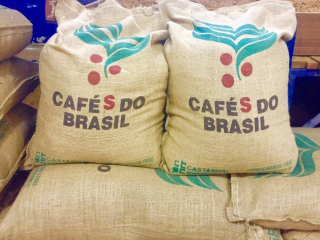
Brazilian coffee producing areas introduce the flavor and taste characteristics of red bourbon coffee beans, brewing parameters of Brazilian coffee.
Professional coffee knowledge exchange more coffee bean information please follow the coffee workshop (Wechat official account cafe_style) [production area introduction] as the largest coffee producing region in the world, Syrador is definitely a famous high-quality coffee producing area in Brazil. Produced in the prairie of 850-1200 meters above sea level, throughout the year

Introduction of Brazilian single Coffee after peeling and tanning in the Wild Manor of Minacamo Town, South Brazil
Professional coffee knowledge exchange more coffee bean information please follow coffee workshop (Wechat official account cafe_style) production area: South Minacamo producer: field manor altitude variety: yellow bourbon treatment: peel sun flavor description: roasted nuts, pistachios, cream, sugar sweet and vanilla, chocolate bread aroma, smooth texture of the farm profile: name:

Where is the main growing area of Brazilian coffee? what is the impact of Brazilian climate on coffee?
Professional coffee knowledge exchange more coffee bean information please follow the coffee workshop (Wechat official account cafe_style) front street Brazil Shenmu Manor Coffee introduction Brazilian coffee plantations are mostly only a few hundred meters above sea level, even on flat ground, this exposure planting method makes the coffee fruit grow faster, the flavor development is not complete, and the density of beans is the so-called hardness

Introduction to Brazilian Coffee Flavor and Taste Brazilian fine coffee beans in Brazilian coffee producing areas
The topography of Brazil is mainly divided into two parts, one is the Brazilian plateau above 500 meters above sea level, distributed in the south of Brazil, the other is the plain below 200 meters above sea level, mainly distributed in the north of the Amazon River basin and the west. The topography of the whole territory is divided into Amazon plain, Paraguay basin, Brazilian plateau and Guyana plateau, of which the Amazon plain accounts for about 1% of the national area. Yes

What are the varieties of Brazilian Minas coffee beans? description of flavor in producing areas introduction to manor variety treatment
According to this standard, the Brazilian producing areas can also be divided into five grades: extremely supple: South Minas, Serrado platform in the central and western part of Minas / Mojiana / Bahia Diamond Plateau in the northeast of Sao Paulo Province: slightly higher in the forest area of Bahia / Minas Southeast Mountain / Parana / Esp í rito Santo (

Roasting Analysis of Brazilian Agua Fila Yellow Bourbon Coffee_Coffee Characteristics of Mojiana Region, Brazil
Professional coffee knowledge exchange More coffee bean information Please pay attention to coffee workshop (Weixin Official Accounts cafe_style) Brazilian coffee Mogiana Mogiana is located in So Paulo, São Paulo state, located at high altitude, terrain mostly plateau and hills, climate change, in addition to its own excellent environmental conditions, local coffee farmers are also committed to natural ecological maintenance, through the conservation of vegetation, disease

Japanese coffee history, culture and customs the world's first coffee chain, Old S ã o Paulo Cafe
History of coffee in Japan: the time when coffee spread to Japan was presumed to be 1641, that is, during the Yuanlu period in the middle of the Edo period in Japan, it was brought to Japan by the Dutch store on the island of Nagasaki. At that time, Japan implemented a strict policy of locking up the country and most of the people who could come into contact with foreigners were servants (officials), merchant interpreters (translators) and tourist girls (geisha). Until the Japanese period of Zunberu in 1776.

Introduction to Queen Farm information of Fazenda Rainha in Brazil
For the exchange of professional baristas, please follow the coffee workshop (Wechat official account cafe_style) Brazilian coffee, there are many kinds of Brazilian coffee, like other Arabica coffee, most Brazilian coffee is not washed but dried, they are classified according to the name of the country of origin and the port of transport. Brazil has 21 states and 17 states produce coffee, but five of them produce the most coffee.
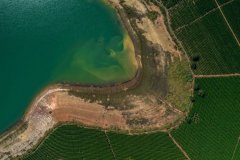
Flavor characteristics of coffee beans in Sao Paulo, Brazil 2021 the yield of Brazilian coffee decreased due to drought
After a record harvest in 2020, Brazil is likely to see one of the worst declines in coffee production in 2021. The drought brought by La Nina has hit new crops during the critical flowering period and is likely to depress the yield of Brazilian coffee. In the course of Brazil's history and economic development, coffee cultivation in Brazil has undergone significant changes, especially in terms of production location.

Brazilian boutique coffee beans common sense coffee bean output
Global coffee production depends on whether Brazil's production cycle is even or odd, but Brazil's production first depends on Minas, which has a bumper harvest or a poor harvest, only Serrado and South Minas in the Midwest. Minas province is bordered by Sao Paulo to the south, Bahia to the north and Esp í rito Santo to the east. It is located at 15 to 20 degrees south latitude and will not frost in winter. The good news is that South Minas is associated with
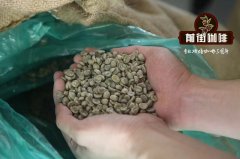
Which brand of Brazilian coffee beans is good? Brazilian coffee brand export mode Brazilian coffee pilao?
Professional coffee knowledge exchange more coffee bean information please follow the coffee workshop (Wechat official account cafe_style) first of all, there are two main kinds of coffee beans in Brazil, Arabica arbica and Robusta robusta. 1. Arabica species (caf arbica) Arabica species, that is, small seed species. The country of origin is the Ethiopian plateau, and coffee was used for a long time before the 15th century.